

A data breach doesn’t have to hit the company you shopped with directly to put your information at risk.
That’s the lesson from this week’s Pokémon Center breach. Customers in the United Kingdom and Germany are being notified that personal and order information was exposed after attackers compromised CEVA Logistics, the third-party company used to fulfill and ship Pokémon Center orders.
The good news: Pokémon Center says CEVA did not have access to customers’ payment-card information.
The bigger concern is what criminals could potentially do with the information that was exposed, particularly when it can make a phishing message look unusually convincing.

What Happened in the Pokémon Center Data Breach?
According to breach notifications reviewed by BleepingComputer, attackers may have obtained Pokémon Center customers’ full names, mailing addresses, phone numbers, email addresses, and information about the products they ordered. The affected customers were in the UK and Germany.
The intrusion occurred at CEVA Logistics rather than Pokémon Center itself. Reporting indicates attackers accessed CEVA systems between late July and August 1, disrupting operations at eight European warehouses and affecting multiple retailers. Valve previously notified European Steam hardware customers that their information had also been exposed through the CEVA incident.
Why Does Shipping Data Matter to Scammers?
A name and email address may not seem as sensitive as a credit-card number. But when criminals also know your address, phone number, and what you recently bought, they have something valuable: context.
Context helps scammers make phishing messages believable.
Phishing is when a criminal pretends to be a trusted company or person to persuade you to click a malicious link, hand over a password, share personal information, or send money.
After a breach like this, criminals could potentially impersonate Pokémon Center, a delivery company, or another retailer and reference details that make their message feel legitimate.
They might claim an order needs to be rescheduled, a delivery fee must be paid, or a refund is waiting. Knowing that you really placed an order can make the bait much harder to spot.
Importantly, there is currently no evidence that the stolen Pokémon Center information is being used in such a campaign. But personalized phishing is a common reason breached contact and transaction information deserves attention.
Key Takeaways
➡️ Pokémon Center says the breach occurred at its logistics provider, CEVA, not its own shopping platform.
➡️ Names, addresses, phone numbers, email addresses, and order details may have been exposed.
➡️ Pokémon Center says payment-card information was not available to CEVA.
➡️ Real order details could make future phishing or delivery scams appear more credible.
➡️ Customers should independently verify unexpected messages about refunds, cancellations, or deliveries.
3 Easy Safety Actions to Take If Your Information Is Exposed in a Data Breach
Getting a breach notification doesn’t necessarily mean someone has already misused your information. It does mean you should take a few steps to make that information harder to use against you.
1) Find out exactly what was exposed. Read the company’s breach notice carefully. An exposed email address calls for different precautions than a stolen password, Social Security number, financial information, or medical record.
2) Secure the accounts that could be at risk. Change any exposed or reused passwords, use a unique password for every account, and turn on multi-factor authentication where it’s available. If sensitive financial or identity information was stolen, consider a credit freeze or fraud alert as well.
3) Be extra skeptical of messages that know something about you. Breached information can help scammers create convincing emails, texts, and calls. A message that knows your name, address, recent purchase, or other real details isn’t necessarily legitimate. Go directly to the company’s website or app to verify unexpected requests rather than clicking a link or calling a number in the message.
How McAfee Protects Against Breaches
Before a breach
Personal Data Cleanup reduces your digital footprint by removing your personal information from many data broker sites, making it harder for scammers to find and target you.
Online Account Cleanup scans for accounts you no longer use and helps you delete them, along with your personal info.
During a breach
Identity Monitoring watches for your personal information, including email addresses, driver’s license numbers, passport numbers, bank accounts, credit cards, Social Security numbers, phone numbers, and more, across the dark web and known data leaks.
Plus, we alert users on average up to 10 months earlier than similar services, so you can act fast when your personal information appears where it shouldn’t.
After a breach
Scam Detector identifies suspicious texts, emails, and links that often follow major breaches, while web protection blocks malicious websites designed to steal even more of your information.
Other Scam and Security News This Week
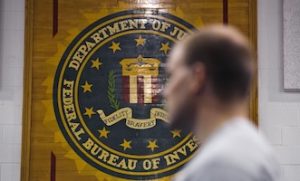
FBI warns about callers impersonating federal agents. The FBI’s Boston Division is warning about scammers who spoof its real phone number, pretend victims are connected to crimes, and then try to move conversations onto encrypted messaging apps. The key reminder: caller ID can be faked, and the FBI says it will not call private citizens to demand payment, threaten arrest, or request sensitive information.
CareCloud breach grows to more than 3.75 million patients. Healthcare technology company CareCloud has confirmed with federal regulators that hackers stole personal and medical information belonging to more than 3.75 million people, including Social Security numbers, health information, government-issued ID numbers, and some financial data. Because medical and identity information cannot simply be replaced like a password, affected people should take breach notifications particularly seriously.
Hacker claims millions of corporate directory records were stolen. A cybercriminal known as “TheHatman” is offering databases allegedly taken from the Microsoft Azure and Entra environments of several major companies, although some named organizations dispute that their current systems were breached and say portions of the information appear old. Even older employee information can still be useful for impersonation and targeted phishing, so the claims are worth watching without treating every advertised dataset as independently confirmed.
This Week’s Safety Tips
✓ Treat unexpected delivery messages with caution. Open the retailer or carrier’s official app or website instead of following a link in a text or email.
✓ Don’t trust caller ID alone. Scammers can spoof a legitimate organization’s real phone number.
✓ Use unique passwords and multi-factor authentication. Stolen personal information becomes more dangerous when criminals can also get into your accounts.
✓ Pay attention to breach notices. Knowing exactly what information was exposed helps you recognize the scams criminals may try next.
And we’ll be back next week with more cybersecurity news and scam alerts.
Stay Updated
Follow us to stay updated on all things McAfee and on top of the latest consumer and mobile security threats.